Table of Contents
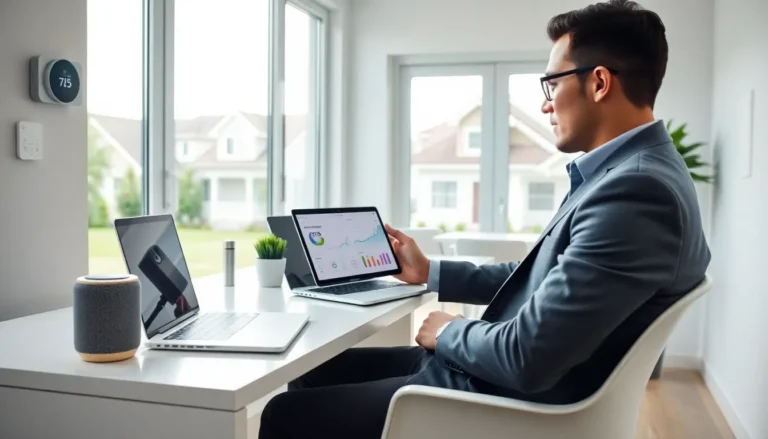
ToggleSmart living tips and trends for 2026 are shaping how people interact with their homes. Technology continues to advance at a rapid pace. Homeowners now have access to tools that save time, reduce energy costs, and improve daily routines. The upcoming year brings exciting developments in automation, sustainability, and wellness-focused home design. This guide explores what to expect and how to prepare for these changes.
Key Takeaways
- AI-powered home automation in 2026 learns your habits and makes predictive adjustments, saving time on daily routines.
- Smart thermostats and energy-efficient appliances can reduce energy bills by 15-25% through optimized scheduling and usage patterns.
- Health-focused smart living tips for 2026 include air quality monitoring, sleep optimization technology, and circadian lighting to improve overall wellness.
- Start your smart home journey by choosing a central platform first, then prioritize high-impact devices like thermostats and lighting systems.
- Always update firmware, change default passwords, and consider a separate network for IoT devices to keep your smart home secure.
- Choose devices that support open standards to ensure future compatibility as smart living trends continue to evolve.
AI-Powered Home Automation Advances
Artificial intelligence sits at the center of smart living tips for 2026. Home automation systems now learn from user behavior and adapt without manual input. This shift represents a major leap from earlier smart home devices that required constant programming.
Voice assistants have become more conversational and accurate. They can now handle multi-step commands and understand context better than previous versions. A homeowner might say, “I’m heading to bed,” and the system will lock doors, adjust the thermostat, dim lights, and set the morning alarm, all from a single phrase.
Predictive automation is another key trend. AI analyzes patterns in daily routines and makes adjustments before users even ask. If someone always turns on the coffee maker at 6:30 AM on weekdays, the system learns this habit and handles it automatically. These smart living tips save time and reduce friction in morning routines.
Security systems have also improved significantly. AI-powered cameras can distinguish between familiar faces, delivery personnel, and potential intruders. False alarms have dropped as a result. Homeowners receive smarter notifications that provide useful context rather than constant alerts.
Integration between devices has become seamless. Different brands and platforms now communicate more effectively through universal protocols. This means buyers aren’t locked into a single ecosystem when building their smart home setup.
Sustainable and Energy-Efficient Technologies
Sustainability plays a major role in smart living trends for 2026. Rising energy costs and environmental concerns push homeowners toward greener solutions. Smart technology makes this transition easier and more practical.
Solar panel integration with home energy systems has become more sophisticated. Smart inverters now communicate with household devices to optimize energy use throughout the day. Excess power gets stored in home batteries or sold back to the grid automatically. These systems require minimal user intervention.
Smart thermostats continue to evolve. New models use occupancy sensors and weather forecasts to heat or cool homes more efficiently. Some systems even factor in local electricity pricing to run HVAC equipment during off-peak hours. Homeowners report savings of 15-25% on their energy bills with these smart living tips.
Water conservation technology has gained momentum. Smart irrigation systems monitor soil moisture, weather conditions, and plant types to deliver precise watering schedules. Indoor leak detectors can identify small drips before they become expensive problems. These devices protect both wallets and natural resources.
Appliances have gotten smarter about energy consumption too. Refrigerators defrost during low-demand periods. Washing machines run when electricity rates drop. Dishwashers delay cycles until solar panels generate peak power. Each of these small adjustments adds up to meaningful savings over time.
Smart lighting systems use LED technology and motion sensors to reduce waste. Lights turn off automatically in empty rooms. Brightness adjusts based on natural daylight levels. These simple smart living tips cut electricity use without any effort from homeowners.
Health and Wellness Integration in Smart Homes
Health-focused features represent one of the fastest-growing smart living trends for 2026. Homes are becoming active participants in occupant wellness rather than passive shelters.
Air quality monitoring has advanced considerably. Smart sensors detect pollutants, allergens, humidity levels, and carbon dioxide concentrations. Connected HVAC systems respond by adjusting ventilation or activating air purifiers. People with asthma or allergies benefit most from these improvements.
Sleep optimization technology has entered mainstream adoption. Smart mattresses track sleep stages and adjust firmness throughout the night. Bedroom lighting systems simulate natural sunrise to improve waking routines. Some setups even coordinate room temperature with sleep cycles for better rest quality.
Circadian lighting represents another important development. These systems adjust color temperature throughout the day to support natural hormone production. Bright, blue-rich light energizes people in the morning. Warmer tones in the evening promote relaxation and better sleep. Research suggests this approach improves mood and productivity.
Fitness integration has expanded beyond dedicated workout spaces. Smart mirrors in bathrooms display health metrics and guided exercises. Kitchen appliances suggest recipes based on nutritional goals. Scales sync with health apps to track progress over time. These smart living tips make wellness a natural part of daily routines.
Senior care applications have grown substantially. Motion sensors detect falls or unusual activity patterns. Medication dispensers send reminders and alerts to family members. Voice-activated systems help elderly residents control their environment without physical effort. These features allow people to age in place more safely.
Practical Tips for Adopting Smart Living in 2026
Starting a smart home journey requires some planning. These practical smart living tips will help newcomers avoid common mistakes and get the most value from their investment.
First, choose a central platform before buying individual devices. Whether it’s Google Home, Amazon Alexa, Apple HomeKit, or another ecosystem, consistency matters. Devices that work together provide better experiences than a random collection of smart gadgets.
Prioritize high-impact purchases. Smart thermostats and lighting systems offer the best return on investment for most households. They deliver immediate savings and noticeable convenience. Start with these basics before moving to specialized devices.
Security should be a top concern. Change default passwords on all smart devices. Keep firmware updated regularly. Consider a separate network for IoT devices to protect other computers and phones from potential vulnerabilities. These smart living tips prevent headaches down the road.
Don’t automate everything at once. Add devices gradually and learn how each one works before expanding. This approach prevents overwhelm and helps identify what actually improves daily life versus what just adds complexity.
Read reviews from actual users before purchasing. Marketing materials don’t always reflect real-world performance. Look for feedback about reliability, app quality, and customer support. These factors matter as much as the features themselves.
Consider future compatibility when making purchases. Technology changes quickly, and devices that support open standards will remain useful longer than proprietary solutions. This smart living tip protects investments as the industry continues to evolve.